
How Long Does a Roof Last in Tennessee?
Your roof is one of the most important investments protecting your home. In Tennessee, where weather conditions can shift from intense summer heat to heavy rainstorms and strong winds, homeowners often ask one crucial question: how long does a roof last in Tennessee?
The answer depends on several factors, including roofing material, installation quality, maintenance habits, storm exposure, and ventilation. Some roofs may last only 15 years, while others can protect a home for over 50 years with proper care.
If you are noticing missing shingles, water stains, leaks, or signs of aging, understanding your roof’s lifespan can help you avoid expensive structural repairs and emergency replacements.
This guide explains everything homeowners in Tennessee need to know about roof longevity, warning signs, maintenance, replacement timing, and how to maximize the life of a roofing system.
Why Roof Lifespan Matters More in Tennessee
Tennessee experiences a wide range of weather conditions throughout the year. Homes across cities like Nashville, Memphis, Knoxville, and Chattanooga are exposed to:
- Heavy rainstorms
- High humidity
- UV heat exposure
- Wind damage
- Hail storms
- Seasonal temperature swings
These climate conditions can accelerate roof deterioration if the roofing system is not properly installed or maintained.
A damaged or aging roof can lead to:
- Interior water damage
- Mold growth
- Increased energy bills
- Structural wood rot
- Insulation problems
- Lower property value
Knowing how long a roof lasts in Tennessee allows homeowners to plan ahead before minor issues become major expenses.
Average Roof Lifespan in Tennessee by Material
Different roofing materials offer different levels of durability. Here is a breakdown of the most common roofing systems found in Tennessee homes.
Asphalt Shingle Roofs
Asphalt shingles are the most common roofing material in Tennessee due to affordability and versatility.
3-Tab Asphalt Shingles
- Average lifespan: 15–20 years
- Lower upfront cost
- More vulnerable to wind damage
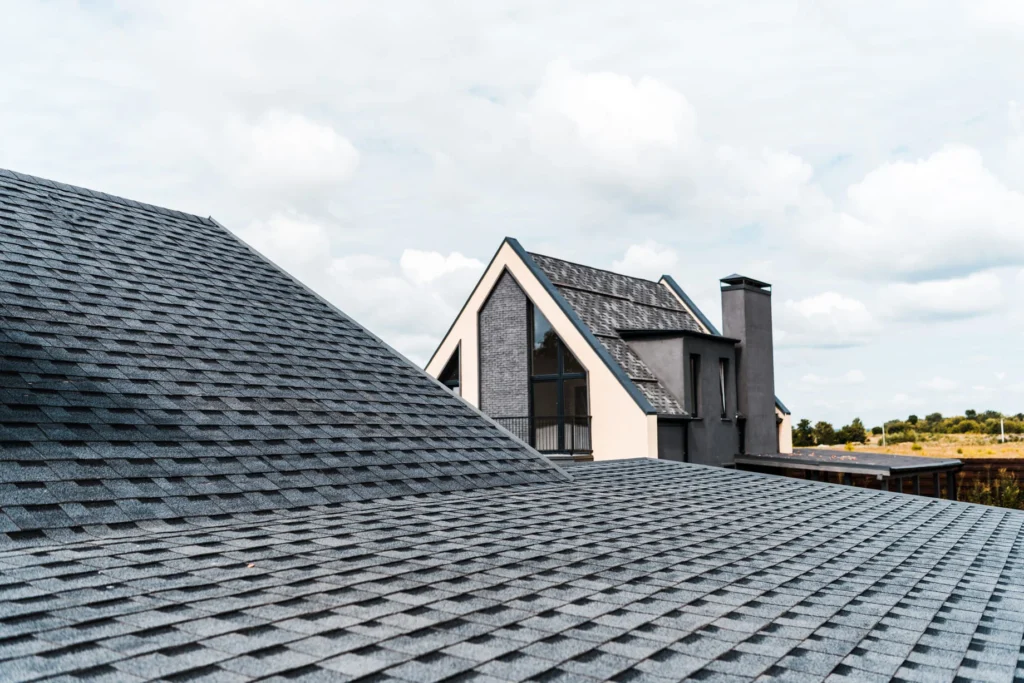
Architectural Shingles
- Average lifespan: 25–30 years
- Better durability
- Improved curb appeal
- Higher resistance to Tennessee weather
Architectural shingles are often the preferred option for homeowners seeking long-term value.
Metal Roofs
Metal roofing has become increasingly popular in Tennessee because of its durability and energy efficiency.
- Average lifespan: 40–70 years
- Resistant to wind and fire
- Reflects heat effectively
- Minimal maintenance required
Although metal roofs cost more upfront, many homeowners appreciate the long-term savings and reliability.
Cedar Shake Roofs
Cedar roofs provide a natural and upscale appearance.
- Average lifespan: 25–40 years
- Requires routine maintenance
- Vulnerable to moisture if neglected
Tennessee humidity can shorten cedar roof lifespan without proper treatment.
Slate Roofs
Slate is one of the longest-lasting roofing materials available.
- Average lifespan: 75–100+ years
- Extremely durable
- Elegant appearance
- Higher installation costs
Not every home structure can support slate roofing due to weight requirements.
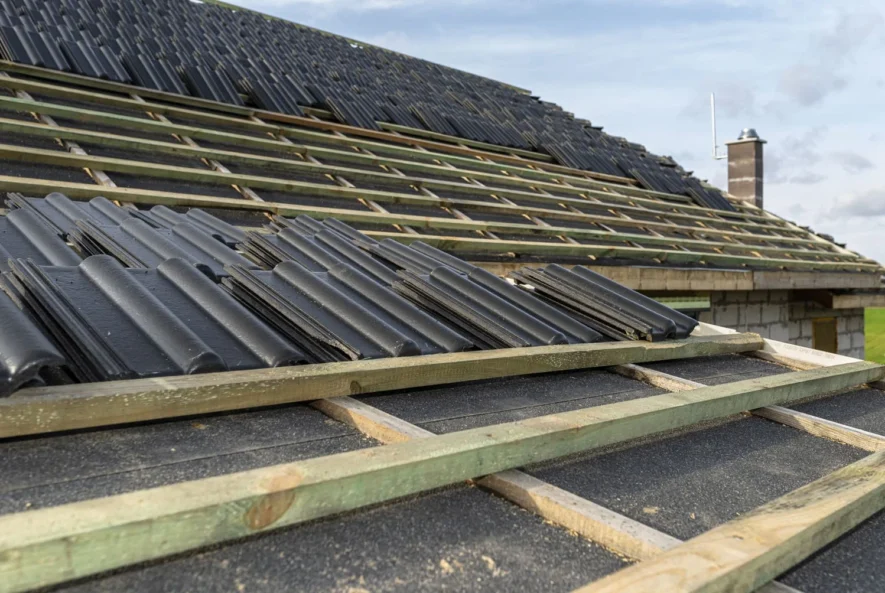
Tile Roofs
Tile roofs are less common in Tennessee but still used in certain custom homes.
- Average lifespan: 50+ years
- Excellent durability
- Resistant to fire and insects
Tile roofing performs well but requires professional installation and structural support.
What Affects Roof Longevity in Tennessee?
Many homeowners assume roof lifespan depends only on material quality. In reality, several factors influence how long a roof lasts in Tennessee.
Tennessee Weather Conditions
Weather is one of the biggest reasons roofs deteriorate faster.
Heat and UV Exposure
Tennessee summers can become extremely hot. Prolonged UV exposure dries out roofing materials, causing:
- Cracking
- Curling shingles
- Granule loss
- Premature aging
Storm Damage
Strong winds and hailstorms are common across Tennessee.
Storms can cause:
- Lifted shingles
- Hidden leaks
- Flashing damage
- Structural weakening
Even small storm damage can shorten roof lifespan significantly if left untreated.
Humidity and Moisture
Humidity creates ideal conditions for:
- Mold growth
- Algae streaks
- Rotting wood
- Moisture infiltration
Poor attic ventilation makes these problems even worse.
Roof Installation Quality
Even premium roofing materials can fail early if installed incorrectly.
A poorly installed roof may experience:
- Uneven shingle placement
- Improper flashing
- Weak sealing
- Ventilation issues
- Water penetration
Professional installation directly impacts how long your roof lasts.
Ventilation and Insulation
Proper attic ventilation plays a critical role in roof performance.
Without adequate airflow:
- Heat builds up in the attic
- Moisture becomes trapped
- Shingles age faster
- Energy bills increase
Balanced ventilation helps extend roof life while improving indoor comfort.
Maintenance Habits
Routine maintenance can add years to a roofing system.
Homeowners who schedule inspections and repairs early typically avoid major problems later.
Simple maintenance includes:
- Cleaning gutters
- Removing debris
- Inspecting flashing
- Replacing damaged shingles
- Checking attic moisture
Preventive care costs far less than emergency roof replacement.
Signs Your Roof May Need Replacement
Many homeowners wait too long before addressing roofing issues. Understanding the warning signs can save thousands in repair costs.
Missing or Curling Shingles
Shingles that curl, crack, or go missing indicate aging materials and weakened protection.
This often happens after:
- Storms
- Wind damage
- Prolonged heat exposure
Water Stains on Ceilings
Interior water stains usually signal roof leaks.
Leaks can lead to:
- Mold growth
- Damaged drywall
- Structural deterioration
Ignoring leaks allows moisture problems to spread quickly.
Granules in Gutters
If you notice large amounts of shingle granules inside gutters, your roof may be nearing the end of its lifespan.
Granules protect shingles from UV damage. Once lost, deterioration accelerates.
Sagging Roof Areas
Sagging indicates possible structural damage beneath the roofing system.
This issue should never be ignored because it may point to:
- Water damage
- Rotting decking
- Structural weakness
Moss or Algae Growth
Tennessee humidity often encourages algae and moss growth.
While minor discoloration may be cosmetic, excessive growth traps moisture and damages roofing materials over time.
How Long Does a Roof Last in Tennessee Compared to Other States?
Tennessee roofs often experience more wear than roofs in drier climates.
Compared to states with milder conditions:
- Humidity increases moisture exposure
- Storm frequency causes more impact damage
- Heat fluctuations create expansion and contraction stress
Because of these environmental factors, roof maintenance is especially important in Tennessee.
How to Extend the Life of Your Roof
Homeowners can dramatically improve roof longevity with proactive care.
Schedule Annual Roof Inspections
Professional inspections identify small issues before they become expensive repairs.
Roofing experts can spot:
- Hidden storm damage
- Loose flashing
- Weak seals
- Ventilation problems
Annual inspections are particularly important after severe Tennessee storms.
Clean Gutters Regular
Blocked gutters trap water near the roofline.
Overflowing water may cause:
- Roof rot
- Fascia damage
- Foundation issues
Keeping gutters clean improves drainage and prevents moisture buildup.
Trim Nearby Trees
Overhanging branches can:
- Scratch shingles
- Drop debris
- Cause impact damage during storms
Tree trimming also helps reduce moss and algae growth.
Address Repairs Quickly
Small roof issues rarely stay small.
A minor leak today can become:
- Structural damage
- Mold remediation
- Full roof replacement
Fast repairs help preserve roof integrity and reduce overall costs.
Improve Attic Ventilation
Proper airflow reduces moisture and heat accumulation.
Benefits include:
- Longer roof lifespan
- Better energy efficiency
- Reduced humidity
- Lower cooling costs
Benefits of Replacing an Aging Roof
Some homeowners delay roof replacement due to upfront cost concerns. However, replacing an old roof provides significant long-term advantages.
Better Energy Efficiency
Modern roofing systems improve insulation and ventilation.
This can reduce:
- Cooling costs
- Heating expenses
- Indoor temperature fluctuations
Energy-efficient roofing materials are especially valuable during Tennessee summers.
Increased Home Value
A new roof improves curb appeal and buyer confidence.
Potential buyers often avoid homes with aging roofs because they fear hidden repair costs.
A roof replacement can make a home easier to sell and potentially increase resale value.
Improved Storm Protection
New roofing systems offer better resistance against:
- Wind
- Rain
- Hail
- Moisture intrusion
This added protection provides peace of mind during severe weather seasons.
Reduced Repair Cost
Constant roof repairs eventually become more expensive than replacement.
Replacing an old roof eliminates recurring maintenance expenses and emergency leak repairs.
What Is Included in a Professional Roofing Service?
When hiring a roofing contractor in Tennessee, homeowners should understand what a quality roofing service includes.
Roof Inspection
A detailed inspection identifies:
- Damage severity
- Roof age
- Ventilation concerns
- Structural issues
Material Recommendations
Professional roofers help homeowners choose materials based on:
- Budget
- Climate
- Durability goals
- Aesthetic preferences
Roof Removal
Old roofing materials are safely removed before installation begins.
Decking Evaluation
Contractors inspect the roof decking for:
- Rot
- Moisture damage
- Structural weakness
Damaged decking is replaced before new roofing materials are installed.
Installation of New Roofing System
This includes:
- Underlayment
- Flashing
- Shingles or panels
- Ventilation components
- Sealing systems
Cleanup and Final Inspection
Reliable roofing companies complete:
- Debris removal
- Magnet nail sweeps
- Final quality checks
Why Homeowners Choose Professional Roofing Contractors
Hiring experienced roofing professionals reduces risk and improves long-term results.
Professional contractors offer:
- Licensed installation
- Insurance protection
- Warranty coverage
- Proper safety procedures
- High-quality workmanship
Attempting DIY roofing repairs can lead to costly mistakes and safety hazards.
Common Roofing Mistakes Homeowners Make
Understanding these common mistakes can help homeowners avoid premature roof failure.
Ignoring Small Leaks
Small leaks often hide bigger structural issues beneath the surface.
Delaying Roof Inspections
Many roofing problems remain invisible until major damage occurs.
Hiring Cheap Contractors
Low-cost roofing services sometimes use:
- Inferior materials
- Poor installation methods
- Inexperienced labor
This often leads to expensive repairs later.
Poor Ventilation Planning
Ventilation problems can destroy a roof from the inside out.
The Best Time to Replace a Roof in Tennessee
Spring and fall are typically ideal seasons for roof replacement in Tennessee.
Benefits include:
- Moderate temperatures
- Better installation conditions
- Lower weather-related delays
However, emergency replacements may be necessary anytime severe damage occurs.
How Much Does Roof Replacement Cost in Tennessee?
Roof replacement costs vary depending on:
- Roof size
- Material type
- Roof complexity
- Labor costs
- Structural repairs
Average Tennessee roof replacement costs often range from:
- $6,000 to $15,000 for asphalt shingles
- Higher for premium materials like metal or slate
While cost matters, long-term durability and installation quality should remain top priorities.
Choosing the Right Roofing Company
Not all roofing contractors deliver the same level of service.
Look for companies with:
- Strong local reputation
- Verified reviews
- Proper licensing
- Insurance coverage
- Written warranties
- Transparent estimates
A trustworthy roofing company explains the process clearly and helps homeowners make informed decisions.
How Long Does a Roof Last in Tennessee? Final Thoughts
So, how long does a roof last in Tennessee?
The answer depends on the roofing material, weather exposure, installation quality, and maintenance routine. While asphalt shingle roofs may last around 20–30 years, metal and slate systems can protect homes for decades longer.
The key is proactive care.
Routine inspections, fast repairs, proper ventilation, and professional installation all help maximize your roof’s lifespan while protecting your home from costly damage.
If your roof is showing signs of aging, leaks, or storm damage, now is the best time to schedule a professional inspection before small issues become expensive emergencies.
Get a Professional Roof Inspection Today
Your roof protects everything underneath it. Waiting too long to address roofing problems can lead to major structural repairs and higher costs.
A professional roofing inspection can help you:
- Determine your roof’s remaining lifespan
- Identify hidden damage
- Prevent costly leaks
- Improve energy efficiency
- Protect your property value
Whether you need repairs, maintenance, or a complete roof replacement, working with an experienced Tennessee roofing contractor gives you confidence your home is protected year-round.
Call today to schedule your roof inspection and get a free estimate from a trusted local roofing expert.
Frequently Asked Questions
How long does a roof last in Tennessee with asphalt shingles?
Most asphalt shingle roofs in Tennessee last between 15 and 30 years depending on material quality, weather exposure, ventilation, and maintenance.
How long does a roof last in Tennessee before replacement is needed?
Many Tennessee homeowners begin considering roof replacement once their roof reaches 20–25 years old or starts showing signs of damage like leaks and missing shingles.
What type of roof lasts the longest in Tennessee?
Slate and metal roofs typically last the longest. Metal roofs may last 40–70 years, while slate roofs can exceed 100 years with proper maintenance.
Does Tennessee weather damage roofs faster?
Yes. Tennessee weather includes humidity, storms, heat, and wind, which can accelerate roof deterioration without proper maintenance.
Should I repair or replace my roof?
If the damage is minor and localized, repairs may be enough. However, widespread damage or an aging roof often makes replacement the more cost-effective option.
How often should roofs be inspected in Tennessee?
Homeowners should schedule professional roof inspections at least once per year and after major storms to identify hidden damage early.