
What Happens During a Roof Inspection? Everything Every Homeowner Should Know
Your roof is one of the most valuable investments protecting your home, yet it’s often overlooked until a leak appears or shingles begin falling into the yard. By the time visible damage occurs, hidden issues may have already compromised your roof’s structure and significantly increased repair costs.
Many homeowners ask the same question:
What happens during a roof inspection?
The answer is much more comprehensive than simply looking at shingles. A professional roof inspection is a detailed evaluation designed to identify existing damage, detect potential problems before they become expensive, and determine the overall condition and remaining lifespan of your roofing system.
Whether you’ve experienced a recent storm, are buying a home, filing an insurance claim, or simply want peace of mind, understanding the inspection process helps you make informed decisions that protect your property and your investment.
In this complete guide, we’ll explain exactly what happens during a roof inspection, what professional inspectors look for, the warning signs you should never ignore, and why scheduling regular inspections can save thousands of dollars in future repairs.
Why Roof Inspections Matter More Than Most Homeowners Realize
Many roofing problems begin long before they’re visible from inside your home.
Tiny cracks, lifted shingles, deteriorated flashing, clogged drainage systems, or minor storm damage may seem insignificant today, but they often lead to:
- Interior water damage
- Mold growth
- Rotting roof decking
- Structural deterioration
- Higher energy bills
- Expensive emergency repairs
- Premature roof replacement
A professional roof inspection identifies these issues early, allowing repairs before they become major financial problems.
Instead of reacting to damage, inspections allow homeowners to stay ahead of it.
What Happens During a Roof Inspection?
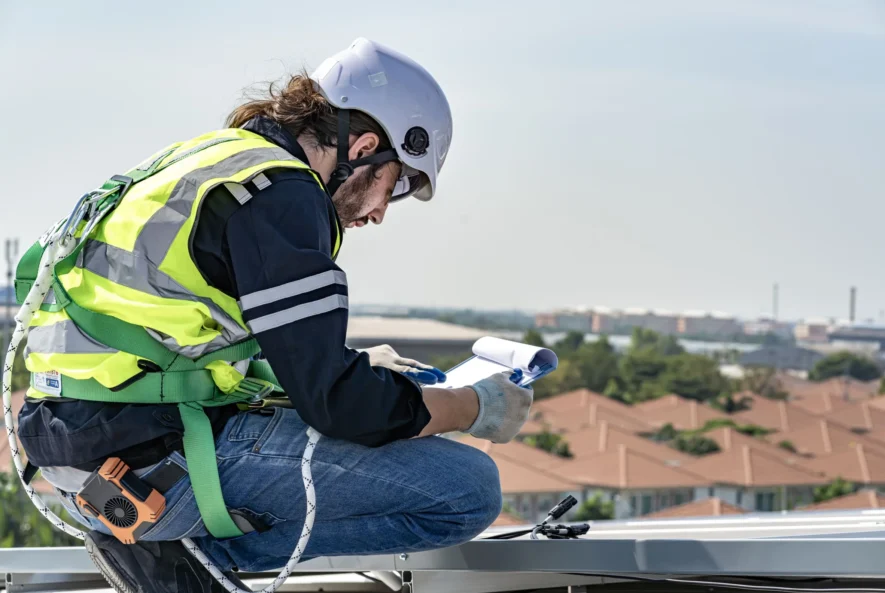
A professional roof inspection follows a systematic process that evaluates every major component of your roofing system—not just the shingles.
Experienced roofing professionals assess both visible and hidden conditions to determine whether your roof is functioning properly or developing problems that require attention.
Here’s what typically happens.
1. Exterior Roof Evaluation
The inspection usually begins outside.
Roofing specialists examine the overall condition of the roof while looking for signs of aging, weather damage, installation defects, and normal wear.
This includes inspecting:
- Missing shingles
- Curled shingles
- Cracked shingles
- Broken tiles
- Loose roofing materials
- Wind damage
- Hail impact
- Granule loss
- Moss growth
- Algae staining
- Sagging roof areas
Every section of the roof is carefully evaluated to determine whether damage is isolated or widespread.
2. Shingle Condition Assessment
Shingles serve as your home’s first line of defense against weather.
Inspectors evaluate:
- Overall shingle integrity
- Remaining lifespan
- Nail pops
- Blistering
- Buckling
- Curling edges
- Missing tabs
- Loose seal strips
- Storm-related displacement
If shingles are deteriorating unevenly, this may indicate ventilation problems or improper installation.
3. Flashing Inspection
Flashing is one of the most overlooked but most important parts of any roofing system.
Metal flashing protects vulnerable areas around:
- Chimneys
- Skylights
- Roof valleys
- Dormers
- Plumbing vents
- Roof-to-wall transitions
Damaged flashing is one of the leading causes of roof leaks.
Inspectors carefully check for:
- Rust
- Gaps
- Separation
- Corrosion
- Loose fasteners
- Improper sealing
4. Gutter and Drainage Inspection
A healthy roof depends on proper water drainage.
During the inspection, professionals evaluate gutters and downspouts for:
- Clogs
- Loose sections
- Improper pitch
- Overflow damage
- Standing water
- Debris buildup
- Water staining
Poor drainage often causes water to back up beneath shingles, leading to hidden moisture damage.
5. Roof Penetration Inspection
Every penetration through the roof creates a potential leak point.
Inspectors examine:
- Exhaust vents
- Pipe boots
- HVAC penetrations
- Satellite mounts
- Solar panel attachments
- Attic vents
Rubber boots frequently crack with age, allowing water intrusion that remains unnoticed for months.
Interior Inspection: Looking Beyond the Roof Surface
A complete roof inspection doesn’t stop outside.
Professionals also inspect interior areas where hidden moisture problems often reveal themselves.
Checking the Attic
The attic tells an important story about your roof’s health.
Inspectors look for:
- Water stains
- Mold growth
- Mildew
- Wet insulation
- Wood rot
- Sunlight entering through gaps
- Improper ventilation
- Condensation
- Structural movement
Many roofing issues first become visible inside the attic before leaks appear on ceilings.
Evaluating Ventilation
Proper ventilation extends roof life dramatically.
Poor airflow causes:
- Excessive attic temperatures
- Moisture buildup
- Ice dams
- Premature shingle aging
- Higher cooling costs
Roof inspectors verify that intake and exhaust ventilation work together properly.
Looking for Structural Problems
The roof’s structural system is just as important as the materials covering it.
Inspectors evaluate:
- Rafters
- Trusses
- Roof decking
- Load distribution
- Signs of sagging
- Moisture damage
- Structural cracks
Detecting structural concerns early prevents much more expensive repairs later.
What Does a Roof Inspection Include?
Although inspection procedures vary slightly among roofing companies, a comprehensive inspection generally includes:
Roofing Materials
Every visible roofing material is evaluated for condition, damage, wear, and expected lifespan.
Flashing
All flashing components are checked for leaks, corrosion, and secure installation.
Gutters
Inspectors confirm that water drains away efficiently from the roof.
Chimneys
Brick, flashing, mortar joints, and caps are inspected for deterioration.
Skylights
Seals, flashing, glass, and surrounding roofing materials are examined carefully.
Roof Valleys
Because valleys collect large amounts of water, they’re inspected for accelerated wear.
Vent Pipes
Pipe boots and vent flashing are inspected for cracks and separation.
Fascia and Soffits
Wood deterioration, insect damage, and moisture issues are identified before they spread.
Interior Moisture
Attics and ceilings are inspected for hidden evidence of leaks.
Signs You Need a Roof Inspection Immediately
Many homeowners wait until they notice water dripping from the ceiling.
Unfortunately, that’s often one of the last warning signs.
Schedule a professional roof inspection immediately if you notice:
Missing Shingles
Even one missing shingle exposes the underlying roofing system to water damage.
Water Stains on Ceilings
Brown stains usually indicate active roof leaks.
The longer they’re ignored, the more extensive the damage becomes.
Higher Energy Bills
Unexpected increases in heating or cooling costs may indicate ventilation or insulation problems caused by roofing issues.
Sagging Roof Areas
Any visible sagging requires immediate professional evaluation.
This could indicate structural deterioration or trapped moisture.
Granules in Gutters
As asphalt shingles age, protective granules begin washing away.
Large amounts of granules often signal that the roof is approaching the end of its lifespan.
Storm Damage
High winds, hail, and heavy rain frequently cause damage that’s invisible from the ground.
Scheduling an inspection after severe weather helps detect problems before leaks develop.
Don’t Wait Until Minor Problems Become Major Repairs
Many homeowners assume that if their roof isn’t leaking, everything is fine.
Unfortunately, roofing damage often develops silently over months or even years.
A routine inspection can uncover hidden issues while repairs remain simple and affordable, helping you avoid emergency expenses and protecting the value of your home.
Schedule Your Professional Roof Inspection Today
Whether your roof is brand new or over a decade old, a professional inspection provides valuable insight into its condition and helps you plan ahead with confidence.
If you’ve recently experienced severe weather, noticed signs of wear, or simply want peace of mind, now is the perfect time to schedule a comprehensive roof inspection with an experienced roofing professional.
Benefits of Regular Roof Inspection
Many homeowners view a roof inspection as an unnecessary expense—until a costly repair changes their perspective. In reality, routine inspections are one of the smartest investments you can make to protect your home, your finances, and your family’s safety.
A proactive inspection helps identify small issues before they evolve into major structural problems. Instead of discovering damage after water has already entered your home, you’ll have the opportunity to address concerns early, often at a fraction of the repair cost.
Some of the biggest benefits include:
Extend the Life of Your Roof
Every roofing system has an expected lifespan, but regular maintenance can significantly increase it. Identifying damaged shingles, deteriorating flashing, or clogged drainage systems early helps preserve the roof’s integrity for many more years.
Prevent Expensive Repairs
A loose shingle today could become a major leak after the next storm. Catching these issues early often means a simple repair instead of replacing insulation, drywall, flooring, or even structural framing.
Protect Your Home’s Value
A well-maintained roof is one of the first things buyers notice. If you’re planning to sell your home, a documented roof inspection demonstrates responsible maintenance and gives potential buyers greater confidence in the property’s condition.
Improve Energy Efficiency
A damaged roof or poorly ventilated attic can increase heating and cooling costs. Professional inspections identify ventilation issues, insulation problems, and hidden moisture that affect your home’s overall efficiency.
Support Insurance Claims
If your roof has been damaged by hail, wind, or fallen debris, an inspection provides detailed documentation that can strengthen your insurance claim.
Our Professional Roof Inspection Process
Not all roof inspections are created equal. A thorough inspection goes beyond a quick visual check and provides homeowners with a complete understanding of their roof’s condition.
Here’s how our inspection process works.
Step 1: Initial Consultation
We begin by discussing your concerns, whether you’ve experienced a recent storm, noticed leaks, or simply want to evaluate your roof’s condition.
Understanding your property’s history allows us to focus on areas that may require extra attention.
Step 2: Comprehensive Exterior Inspection
Our roofing specialists carefully examine every accessible area of the roof, documenting:
- Shingle condition
- Flashing integrity
- Roof penetrations
- Valleys
- Ridge caps
- Chimneys
- Skylights
- Gutters
- Fascia
- Soffits
- Ventilation components
Every observation is recorded to provide a complete assessment.
Step 3: Interior Evaluation
Whenever accessible, we inspect attic spaces for:
- Water intrusion
- Condensation
- Mold
- Structural movement
- Damaged decking
- Insulation issues
- Ventilation performance
Many roofing problems become visible inside the attic long before they appear on interior ceilings.
Step 4: Photo Documentation
We provide clear photographs of any areas requiring attention.
This allows homeowners to understand exactly what we found without relying solely on verbal explanations.
Visual documentation is especially valuable for insurance purposes.
Step 5: Detailed Inspection Report
After completing the inspection, you’ll receive a comprehensive summary outlining:
- Overall roof condition
- Areas of concern
- Recommended repairs
- Maintenance suggestions
- Estimated remaining roof lifespan
- Preventive recommendations
Our goal is to help you make informed decisions—not pressure you into unnecessary repairs.
Common Roofing Problems Found During Inspections
Every roof tells a story. During inspections, we frequently identify issues that homeowners didn’t even know existed.
Some of the most common include:
Missing or Damaged Shingles
Wind, hail, aging, and improper installation can loosen or damage shingles, exposing your roof to moisture infiltration.
Cracked Flashing
Flashing failures are one of the leading causes of roof leaks, especially around chimneys and roof penetrations.
Roof Leaks
Leaks don’t always produce visible ceiling stains immediately.
Hidden moisture can travel through insulation and framing before becoming noticeable inside the home.
Poor Ventilation
Insufficient airflow causes excessive attic heat during summer and moisture buildup during winter.
This accelerates roof deterioration while increasing utility bills.
Soft Roof Decking
Moisture trapped beneath roofing materials weakens the roof deck over time.
Soft decking often indicates long-term water damage that requires immediate attention.
Gutter Problems
Overflowing gutters allow water to back up beneath shingles and damage fascia boards, soffits, and even the home’s foundation.
Roof Inspections After Storm Damage
Severe weather can compromise your roof even if there are no obvious signs from the ground.
Following hailstorms, hurricanes, strong winds, or falling tree limbs, a professional inspection becomes essential.
Storm inspections commonly identify:
- Lifted shingles
- Wind creases
- Hail bruising
- Damaged flashing
- Broken ridge caps
- Punctures
- Water intrusion
- Hidden structural damage
The sooner storm damage is documented, the easier it becomes to file an insurance claim and prevent additional deterioration.
Roof Inspection and Insurance Claims
Insurance companies often require professional documentation before approving roof damage claims.
A comprehensive inspection provides:
- High-resolution photographs
- Damage documentation
- Detailed inspection findings
- Recommendations for repair or replacement
- Evidence supporting the claim
Working with experienced roofing professionals can simplify the claims process and reduce unnecessary delays.
Roof Inspection vs. Roof Estimate
Many homeowners assume these services are the same, but they serve different purposes.
A roof inspection is a detailed evaluation of your roof’s current condition. It focuses on identifying damage, estimating the roof’s remaining lifespan, and recommending preventive maintenance or repairs.
A roof estimate, on the other hand, is a pricing document prepared after determining the work that needs to be completed.
Think of the inspection as the diagnosis and the estimate as the treatment plan.
How Often Should You Schedule a Roof Inspection?
The ideal inspection schedule depends on several factors, including the age of your roof, the local climate, and recent weather events.
As a general guideline:
- Newer roofs should be inspected every 2–3 years.
- Roofs over 10 years old should be inspected annually.
- Schedule an inspection after major storms with hail or high winds.
- Have your roof inspected before buying or selling a home.
- Consider annual inspections as part of a preventive maintenance plan.
Routine inspections provide peace of mind and help avoid unexpected repair expenses.
Why Homeowners Trust Our Roofing Team
Choosing the right roofing company is just as important as scheduling the inspection itself.
Homeowners choose us because we focus on education, transparency, and long-term solutions.
When you work with our team, you receive:
- Experienced roofing professionals
- Honest recommendations
- Thorough inspections
- High-quality photo documentation
- Clear communication
- No high-pressure sales tactics
- Reliable repair solutions
- Exceptional customer service
Our mission is simple: help homeowners make informed decisions that protect their homes and their investment.
Frequently Asked Questions
What happens during a roof inspection?
During a professional roof inspection, experts evaluate shingles, flashing, gutters, ventilation, structural components, attic conditions, and other roofing elements to identify damage, wear, leaks, and maintenance needs before they become costly problems.
How long does what happens during a roof inspection take?
Most residential roof inspections take between 45 minutes and two hours, depending on the size, complexity, accessibility, and condition of the roof.
Should I schedule a roof inspection after a storm?
Yes. Even if your roof appears undamaged from the ground, hail, wind, and flying debris can cause hidden issues that worsen over time. A prompt inspection helps identify damage early and supports insurance claims if necessary.
How much does a professional roof inspection cost?
Costs vary depending on your location, roof size, and inspection type. Many roofing companies offer inspections as part of repair or replacement consultations, while more comprehensive evaluations may involve a fee.
Can a roof inspection detect hidden leaks?
Absolutely. Professional inspectors look for moisture stains, soft decking, deteriorated flashing, attic condensation, and other subtle indicators of hidden water intrusion.
Do I need a roof inspection before buying a home?
Yes. A dedicated roof inspection can uncover issues that a general home inspection may overlook, helping you avoid unexpected repair costs after purchasing the property.
Will a roof inspection tell me if I need a replacement?
Yes. A qualified inspector can assess the overall condition of your roof, estimate its remaining lifespan, and determine whether repairs are sufficient or if replacement is the more cost-effective solution.
How often should I have my roof inspected?
Most experts recommend an inspection at least once a year and after any significant weather event to ensure your roof continues to perform as intended.
Protect Your Home Before Minor Roof Problems Become Major Expenses
Your roof protects everything beneath it—your family, your belongings, and one of your largest financial investments. Waiting until you notice a leak often means the damage has already spread beyond the roofing materials themselves.
Regular roof inspections provide valuable insight into your roof’s condition, allowing you to address minor issues before they escalate into expensive repairs or premature replacement.
Whether your roof is brand new, several years old, or has recently endured severe weather, a professional inspection offers the confidence of knowing your home is protected.
Schedule Your Roof Inspection Today
Don’t wait for water stains, missing shingles, or costly structural damage to remind you that your roof needs attention.
Contact our experienced roofing team today to schedule a comprehensive roof inspection. We’ll provide an honest evaluation, detailed findings, and expert recommendations tailored to your home’s needs.
Call today, request your free estimate, or complete our online contact form to schedule your professional roof inspection and protect your investment with confidence.