
Roof Replacement in Somerville, TN: Protect Your Home With a Roof Built to Last
Your roof does more than complete the appearance of your home. It protects your family, belongings, insulation, and structural components from rain, wind, humidity, and changing temperatures. When that protection begins to fail, even a small roofing problem can become an expensive repair if it goes unnoticed.
For homeowners considering roof replacement in Somerville, TN, knowing when to replace an aging roof, which materials to choose, and what to expect from the installation process can make a significant difference in the long-term performance of the home.
In Somerville and throughout Fayette County, roofs must withstand seasonal thunderstorms, heavy rainfall, humid summers, temperature fluctuations, and occasional severe weather. These conditions can gradually wear down roofing materials, damage flashing, loosen shingles, and expose vulnerable areas to moisture.
A new roof can help restore reliable protection, improve curb appeal, and provide greater confidence in your home’s condition. However, the right solution depends on the roof’s current condition, the materials installed, the quality of the underlying structure, and the installation itself.
This guide explains how to recognize the need for a roof replacement, compare common roofing materials, understand the installation process, and make an informed decision about your property.
Concerned about your roof’s condition? Schedule a professional roof inspection and request a detailed replacement estimate before minor roofing issues develop into more extensive damage.
Why Roof Replacement Matters for Homes in Somerville, Tennessee
Somerville homeowners experience a range of weather conditions throughout the year. Warm, humid summers and periods of heavy rain can challenge roofing materials, while strong storms may cause sudden damage that is not immediately visible from the ground.
A roof can appear relatively normal while developing problems beneath the surface.
Damaged flashing around a chimney, deteriorating underlayment, loose shingles, or moisture trapped in the roof decking can create vulnerabilities that become more serious over time.
Protection against moisture and structural damage
Water intrusion is one of the primary concerns associated with a failing roof.
When water enters through damaged shingles, flashing, valleys, or roof penetrations, it can affect attic insulation, drywall, ceilings, framing, and other building materials.
Replacing a roof that has reached the end of its useful life can help address these vulnerabilities before recurring leaks cause more extensive damage.
The important distinction is that replacement should be based on a proper assessment. A localized problem may be repairable, while widespread deterioration may justify replacing the entire roofing system.
Better performance during severe weather
Storms can expose weaknesses in aging roofing materials.
Wind may lift shingles, falling branches can damage the roof surface, and heavy rain can reveal weaknesses around roof penetrations and drainage areas.
A properly installed replacement roof provides an opportunity to correct existing deficiencies and select materials appropriate for the home and local conditions.
No roofing system is immune to severe weather, but sound installation and suitable materials can improve overall performance.
Improved curb appeal
The roof is one of the most visible features of a house.
Missing shingles, discoloration, uneven surfaces, and visible deterioration can make an otherwise well-maintained property look neglected.
A new roof can refresh the home’s appearance and complement its siding, trim, windows, and architectural style.
For homeowners planning to sell, improved exterior condition can also help make a stronger first impression. The actual effect on resale value depends on the property, local market, roof materials, and buyer expectations.
7 Signs You May Need Roof Replacement in Somerville, TN
A roof does not always fail suddenly. In many cases, deterioration develops gradually, giving homeowners an opportunity to address the problem before damage spreads.
Look for these warning signs.
1. Shingles are curling, cracking, or missing
Asphalt shingles can deteriorate over time because of weather exposure, aging, installation deficiencies, or other conditions.
Curling edges, cracked shingles, missing sections, and widespread surface deterioration may indicate that the roof needs professional attention.
A few damaged shingles do not automatically mean the entire roof must be replaced. However, widespread damage on an older roof may make replacement a more practical long-term solution.
2. Water stains appear on ceilings or walls
Brown spots, peeling paint, bubbling drywall, or damp insulation may indicate water intrusion.
The source is not always directly above the visible stain. Water can travel along framing or other building components before appearing inside the home.
If you notice interior moisture, arrange an inspection promptly rather than assuming the problem will disappear when the weather improves.
3. Your roof is approaching the end of its expected service life
Roofing materials have different expected lifespans.
Standard asphalt shingles may last approximately 15–30 years, depending on product quality, installation, ventilation, maintenance, and exposure. Some premium materials can last considerably longer.
Age alone does not establish that replacement is necessary, but an older roof deserves closer evaluation, particularly if repairs are becoming more frequent.
4. Shingle granules are accumulating in gutters
Asphalt shingles contain protective granules that gradually wear away.
A noticeable accumulation of granules, especially when combined with other deterioration, can indicate that the shingles are aging.
Some granule loss is normal, particularly on newer shingles. The concern is excessive or persistent loss associated with other signs of damage.
5. The roofline appears uneven
A sagging roofline or visibly uneven roof surface can indicate a problem beyond the shingles themselves.
Potential causes include damaged decking, structural deterioration, moisture intrusion, or framing problems.
This condition requires prompt professional assessment because replacing the visible roofing material alone may not address the underlying issue.
6. Leaks keep returning after repairs
A repair may solve a localized roofing problem, but repeated leaks can indicate a broader issue.
If different areas of the home continue developing water stains, the roof may have widespread deterioration or multiple vulnerable areas.
At that point, comparing the cost and expected performance of continued repairs against a full replacement can help clarify the best approach.
7. Storm damage affects multiple roof sections
After a severe storm, inspect the property from the ground for missing shingles, fallen branches, damaged flashing, or visible debris.
Do not climb onto a wet, steep, or damaged roof to investigate.
Some storm damage is difficult to see without a professional inspection. If you suspect damage, arrange an assessment and document visible conditions from a safe location.
Not sure whether your roof needs repair or replacement? Request a professional roofing inspection in Somerville, TN, to understand the condition of your roof and the options available.
Roof Repair vs. Roof Replacement: Which Is Right for Your Home?
One of the biggest questions homeowners face is whether to repair the existing roof or replace it entirely.
The answer depends on the extent of the damage, the roof’s age, the condition of the underlying components, and the likely cost of maintaining the existing system.
When roof repair may be sufficient
Repair may be appropriate when damage is isolated and the surrounding roofing materials remain in good condition.
Examples include:
- A small area of missing shingles.
- Localized flashing damage.
- A limited leak caused by a specific defect.
- Minor storm damage affecting one section.
- A damaged roof penetration that can be properly resealed or repaired.
A qualified roofing professional should identify the source of the problem before recommending a repair.
When full roof replacement makes more sense
Replacement may be the better option when deterioration is widespread or the roof has reached the end of its useful life.
Situations that may justify replacement include:
- Extensive shingle deterioration.
- Repeated leaks in different areas.
- Widespread storm damage.
- Deteriorated roof decking.
- Multiple failed repairs.
- Roofing materials that can no longer provide reliable protection.
Compare the long-term costs
The lowest immediate price is not necessarily the least expensive long-term solution.
Repeated repairs can become costly when the underlying roofing system is deteriorating.
Conversely, replacing a roof that only needs a straightforward repair may be an unnecessary expense.
A detailed inspection and written estimate should explain the condition of the existing roof, the recommended scope of work, and any alternatives worth considering.
Choosing the Right Roofing Material for a Somerville Home
Selecting a replacement roof involves more than choosing a color.
The material affects installation cost, maintenance requirements, appearance, expected lifespan, and performance under local weather conditions.
Your roof structure, slope, ventilation, budget, and neighborhood requirements should all be considered.
Asphalt shingles: A practical residential option
Asphalt shingles remain a popular choice for residential roofing because they offer a broad selection of styles and price points.
Benefits may include:
- A range of colors and architectural appearances.
- Compatibility with many residential roof designs.
- Relatively straightforward installation.
- Availability of different product grades.
- Easier replacement of individual shingles when localized damage occurs.
Architectural asphalt shingles can provide a more dimensional appearance than basic three-tab shingles.
Product warranties, wind-resistance ratings, and installation requirements vary, so homeowners should compare specific products rather than relying on the general category alone.
Metal roofing: Durability and distinctive appearance
Metal roofing may appeal to homeowners seeking a different appearance and a potentially long service life.
Depending on the system, metal roofs can offer durability, relatively low routine maintenance, and resistance to many common roofing problems.
However, performance depends on the metal type, panel design, fastening system, underlayment, flashing, and installation quality.
Metal roofing may also have a higher initial cost than standard asphalt shingles.
A contractor should evaluate whether the roof structure and design are appropriate for the selected system.
Premium roofing materials
Some homeowners consider premium shingles or other specialized roofing systems to achieve a particular architectural appearance or performance objective.
These products may provide enhanced aesthetics, specific impact-resistance characteristics, or other features depending on the manufacturer and product specification.
The additional cost should be evaluated against the home’s needs, local weather exposure, and expected ownership period.
Which material should you choose?
The best roofing material is the one that fits your home, budget, structural requirements, and long-term plans.
Before deciding, ask for a comparison of:
- Total installed cost.
- Expected service life.
- Product and workmanship warranties.
- Wind and impact ratings.
- Maintenance requirements.
- Ventilation and underlayment requirements.
- Availability of replacement materials.
- Color and style options.
A clear comparison makes it easier to choose a roof based on value rather than appearance alone.
What Does a Professional Roof Replacement Service Include?
A complete roof replacement should address the roofing system, not just the visible surface.
The exact scope depends on the property, existing materials, roof design, and conditions discovered during removal.
A detailed proposal should explain what is included and identify potential additional work.
Initial roof inspection
The contractor evaluates the roof’s condition, visible damage, flashing, drainage features, and other relevant components.
Where accessible and appropriate, the inspection may also include an assessment of the attic, ventilation, and roof decking.
Removal of existing roofing materials
Depending on the project scope and local requirements, the existing roofing materials may need to be removed before installation begins.
Removing the old materials allows the crew to examine the underlying surface and identify deterioration that would otherwise remain hidden.
Some roofing systems permit installation over existing materials under specific conditions, but a complete replacement proposal should explain whether tear-off is necessary and why.
Roof decking assessment
The decking provides the structural surface to which many roofing systems are attached.
If damaged or deteriorated decking is discovered, the affected areas may require repair or replacement.
The estimate should explain how concealed damage will be documented and priced if it cannot be identified before the old roof is removed.
Underlayment and flashing
Underlayment provides an additional layer of protection beneath the roofing material.
Flashing helps protect vulnerable transitions around chimneys, walls, valleys, skylights, and other penetrations.
These components are essential because leaks frequently develop at transitions and openings rather than across the middle of an intact roof surface.
Installation of new roofing materials
The crew installs the selected roofing system according to the manufacturer’s requirements and applicable building codes.
Proper fastening, alignment, flashing details, and ventilation are important to the performance of the completed roof.
Cleanup and final inspection
The project should conclude with debris removal, cleanup of accessible work areas, and a review of the completed installation.
Ask whether the contractor uses protective measures around landscaping, driveways, outdoor equipment, and other areas near the house.
A final walkthrough should provide an opportunity to discuss the completed work, warranty documentation, and any recommendations for future maintenance.
The Roof Replacement Process: From Estimate to Final Inspection
Understanding the installation process can make the project easier to plan and reduce uncertainty.
Step 1: Schedule an inspection
The process begins with an evaluation of the existing roof.
The contractor should document visible damage, discuss your concerns, and explain whether repair or replacement appears appropriate.
Step 2: Review the written estimate
The estimate should identify the proposed materials, project scope, labor, removal and disposal requirements, and expected additional costs.
It should also clarify the payment schedule, warranties, and any permit responsibilities.
Avoid approving a vague proposal that does not explain what you are purchasing.
Step 3: Choose materials and confirm logistics
Once you approve the project, confirm the roofing material, color, installation schedule, site access, and arrangements for protecting outdoor areas.
Ask how weather delays will be handled.
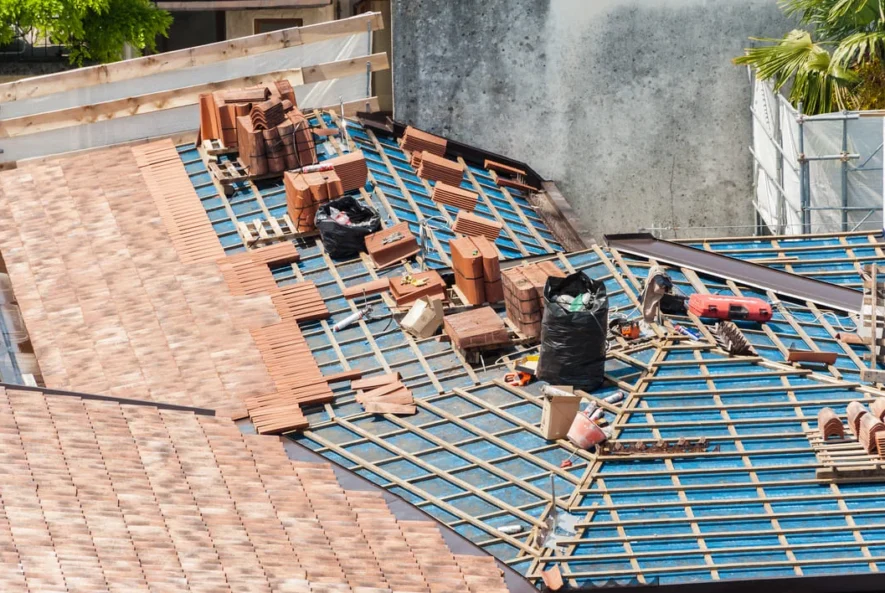
Step 4: Remove the existing roof and inspect the decking
If the project includes tear-off, the old roofing materials are removed so the underlying surface can be examined.
Any concealed damage should be documented and discussed before additional work is completed, subject to the terms of your agreement.
Step 5: Install the new roofing system
The crew installs the specified underlayment, flashing, shingles or other roofing materials, and related components.
Correct installation details are important for protecting the roof against water intrusion and premature deterioration.
Step 6: Complete cleanup and inspection
After installation, the contractor should remove project debris, inspect the work, and provide the agreed-upon documentation.
Before making the final payment, confirm that the completed work matches the written agreement and that any outstanding concerns have been addressed according to the contract.
How Much Does Roof Replacement Cost in Somerville, TN?
Roof replacement costs vary from property to property. An accurate estimate requires an evaluation of the roof’s size, design, materials, and condition.
A simple roof with a straightforward layout generally requires less labor than a complex roof with multiple valleys, dormers, steep slopes, or difficult access.
Factors that influence the total price
Roof size and pitch: Larger roofs require more material and labor. Steeper roofs may require additional safety measures and installation time.
Roofing material: Standard asphalt shingles, premium shingles, and metal roofing systems have different material and installation costs.
Removal and disposal: Removing existing roofing materials adds labor and disposal expenses.
Decking repairs: Damaged plywood or other roof decking may require replacement once the old materials are removed.
Flashing and ventilation: Existing deficiencies may need to be corrected as part of the project.
Accessibility: Landscaping, driveway access, property layout, and equipment requirements can affect labor and logistics.
Permits and code requirements: Applicable permit fees and required improvements should be addressed in the proposal.
How to compare roofing estimates fairly
When comparing quotes, make sure each contractor is pricing a comparable scope of work.
A lower estimate may exclude decking replacement, new flashing, disposal, or other items included in a competing proposal.
Request written clarification about materials, labor, warranties, cleanup, payment terms, and how unexpected damage will be handled.
CTA: Request a roof replacement estimate in Somerville, TN, to understand the costs associated with your specific home.
Why Local Roofing Experience Matters in Fayette County
A roofing project should account for the conditions affecting the actual property.
Somerville homeowners may encounter heavy rainfall, humid conditions, seasonal storms, wind exposure, and periods of high summer temperatures.
These factors make proper installation details particularly important.
Attention to water management
Roof valleys, flashing, gutters, and drainage paths should be evaluated as part of the roofing system.
Water needs a clear path away from vulnerable areas.
Poorly installed flashing or improperly managed drainage can undermine an otherwise sound roof.
Appropriate materials and installation methods
Roofing products have specific installation requirements.
Fastener placement, underlayment, flashing, ventilation, and other details should match the selected system and applicable building requirements.
Choosing suitable materials is only part of the equation; they must also be installed correctly.
Familiarity with local requirements
Before starting a project, confirm which permits, inspections, and building-code requirements apply to the property.
Requirements can depend on the project scope and local jurisdiction.
A contractor should explain which approvals are necessary and who is responsible for obtaining them.
How to Choose a Roof Replacement Contractor in Somerville, TN
Selecting a contractor is one of the most consequential decisions in the project.
The quality of installation can affect the roof’s performance long after the materials have been installed.
Use these criteria to evaluate potential providers.
Verify licensing and insurance requirements
Ask the contractor to explain which licenses are applicable to the project and verify general liability insurance and workers’ compensation coverage as relevant.
Requirements vary by jurisdiction and work scope, so homeowners should confirm applicable rules rather than relying on verbal assurances.
Review the written scope of work
The proposal should identify the materials, installation method, removal requirements, cleanup responsibilities, and any exclusions.
You should know what is included before the work begins.
Ask about workmanship warranties
Roofing materials may carry manufacturer warranties, while contractors may offer separate workmanship coverage.
These warranties are not interchangeable.
Ask who provides each warranty, what it covers, how long coverage lasts, and what conditions may void it.
Evaluate communication
A professional contractor should be willing to explain the project, answer questions, and communicate about scheduling and unexpected conditions.
Clear communication is particularly important when a roofing project reveals concealed damage.
Avoid pressure-based decisions
Be cautious of contractors who demand immediate approval, refuse to provide a written estimate, or make guarantees that sound unrealistic.
A sound roofing decision should be based on documented conditions, understandable pricing, and a clear agreement.
Can a New Roof Improve Energy Efficiency?
A roof replacement may create an opportunity to improve certain aspects of your home’s energy performance, but the results depend on the existing conditions and the work performed.
Roofing material alone does not determine how efficiently a home uses energy.
Attic insulation, air sealing, ventilation, roof color, solar exposure, and the home’s overall construction all play important roles.
Evaluate attic insulation
If the attic has insufficient insulation, replacing the roof alone may not resolve high heating and cooling costs.
An attic assessment can help identify whether insulation improvements should be considered separately.
Review ventilation
Proper ventilation helps manage heat and moisture in the attic when the system is designed appropriately for the home.
The correct configuration depends on the roof design, existing ventilation, insulation, and applicable building requirements.
Consider reflective roofing options
Some roofing products are designed to reflect more solar energy than others.
Their benefits depend on the product, climate, roof configuration, and other building characteristics.
Ask the contractor which options are appropriate for your home rather than assuming every new roof will produce substantial energy savings.
What About Storm Damage and Homeowners Insurance?
Storm damage can complicate the decision to repair or replace a roof.
If you suspect that wind, hail, or falling debris damaged your roof, document visible conditions from a safe location and contact your insurance company promptly.
A roofing inspection can help identify damage and establish the roof’s apparent condition.
However, a contractor’s assessment does not determine whether an insurance claim will be approved.
Understand your policy
Coverage depends on the policy language, the cause of damage, exclusions, deductibles, claim deadlines, and other terms.
Age-related deterioration and maintenance issues may be treated differently from sudden covered damage.
Review your policy and discuss coverage questions directly with your insurer.
Document the damage
Photographs, inspection findings, and records of temporary protective measures can help you organize information about the incident.
Keep copies of estimates and communications related to the claim.
Be cautious of guaranteed insurance claims
No contractor can legitimately guarantee that an insurer will approve a claim simply because an inspection identifies damage.
Ask for factual documentation and make insurance decisions based on your policy and the insurer’s determination.
If a roof is actively leaking, ask about appropriate temporary protection while permanent repairs or replacement are evaluated.
Frequently Asked Questions About Roof Replacement in Somerville, TN
1. How do I know if I need roof replacement in Somerville, TN?
Common warning signs include widespread shingle deterioration, repeated leaks, missing shingles across multiple sections, visible sagging, and extensive storm damage.
The roof’s age and repair history also matter. A professional inspection can help determine whether localized repairs are reasonable or whether full replacement is more appropriate.
2. How much does roof replacement in Somerville, TN cost?
The cost depends on roof size, pitch, material selection, labor, removal and disposal, decking condition, flashing, ventilation, and project accessibility.
The most reliable way to establish a budget is to request a written estimate based on your actual roof.
3. How long does a roof replacement take?
Many residential asphalt-shingle replacements can be completed in approximately one to three working days, depending on the roof’s size, complexity, crew, weather, and condition of the decking.
Larger or more complicated projects may take longer. Weather delays and unexpected repairs can also affect the schedule.
4. What is the best roofing material for a home in Somerville, Tennessee?
There is no single best material for every home.
Asphalt shingles offer a range of styles and price points. Metal roofing may appeal to homeowners seeking a different appearance and a potentially longer service life.
The appropriate choice depends on budget, roof design, structural requirements, product specifications, and long-term plans.
5. Can I replace my roof during winter?
Roof replacement may be possible during winter, depending on temperatures, weather conditions, the roofing material, and manufacturer installation requirements.
Cold temperatures, precipitation, and unsuitable working conditions may delay the project.
The contractor should confirm whether conditions are appropriate for the selected roofing system.
6. Will a new roof increase my home’s value?
A new roof can improve exterior appearance and address a major concern for prospective buyers.
Its effect on market value depends on local market conditions, the home’s overall condition, material selection, and buyer expectations. A specific increase in value cannot be guaranteed.
7. Should I replace the gutters when replacing the roof?
Not necessarily.
The gutters should be evaluated for leaks, damage, poor drainage, and compatibility with the roof’s water-management system.
If they are functioning properly, replacement may not be needed. If they are damaged or undersized, coordinating gutter work with the roofing project may be practical.
8. Does roof replacement include replacing damaged plywood?
It depends on the contract and the condition of the roof decking.
A proposal should explain whether decking replacement is included, how concealed damage will be identified, and how additional work will be priced and approved.
Ask these questions before installation begins.
9. Do I need a permit for roof replacement in Somerville, TN?
Permit requirements depend on the property’s jurisdiction and the scope of work.
Before the project starts, confirm the applicable requirements with the relevant local building authority and clarify who will obtain any required permits.
10. How can I prepare my home for roof replacement?
Move vehicles away from the work area, secure fragile wall decorations if necessary, and keep children and pets away from the construction zone.
Discuss landscaping protection, driveway access, outdoor furniture, and work hours with the contractor.
You should also ask how debris will be collected and how the property will be secured if weather interrupts the project.
11. Can a roof be replaced if it has only a few leaks?
Sometimes a localized repair is sufficient.
However, multiple leaks, recurring moisture problems, and widespread deterioration may indicate a larger roofing issue.
The correct recommendation should follow an inspection rather than being based solely on the number of visible leaks.
12. How do I get a roof replacement estimate in Somerville, TN?
Start by contacting a qualified roofing contractor that serves Somerville and Fayette County.
Provide the property’s location, describe any visible damage, and explain whether you are planning a replacement or responding to a leak or storm.
Request a written estimate that identifies the materials, work scope, warranty coverage, expected schedule, and potential additional costs.
Protect Your Somerville Home With an Informed Roofing Decision
A roof replacement is a significant home improvement project. It deserves more consideration than simply choosing shingles and comparing prices.
The right decision starts with understanding the condition of the existing roof, identifying the source of any damage, and determining whether repair or replacement provides the most appropriate solution.
For homeowners in Somerville, TN, a properly planned replacement can address deteriorating materials, improve the home’s exterior appearance, and restore an important layer of protection against local weather conditions.
Material selection matters, but so do flashing, underlayment, ventilation, roof decking, installation quality, and cleanup.
A detailed estimate helps you understand the scope of work before committing to a project.
Ready to discuss your roof replacement?
If your roof is aging, leaking, showing visible deterioration, or has sustained suspected storm damage, take the next step before the problem becomes more difficult to manage.
- Request an inspection: Learn about the current condition of your roof.
- Compare your options: Determine whether repair or replacement makes sense.
- Get a written estimate: Understand the proposed materials, scope, and costs.
- Plan your project: Discuss scheduling, warranties, and the installation process.
Contact a local roofing professional serving Somerville, TN, to request your roof replacement estimate and find out which solution fits your home, budget, and long-term needs.
Your home deserves a roofing system selected carefully, installed correctly, and supported by clear documentation.